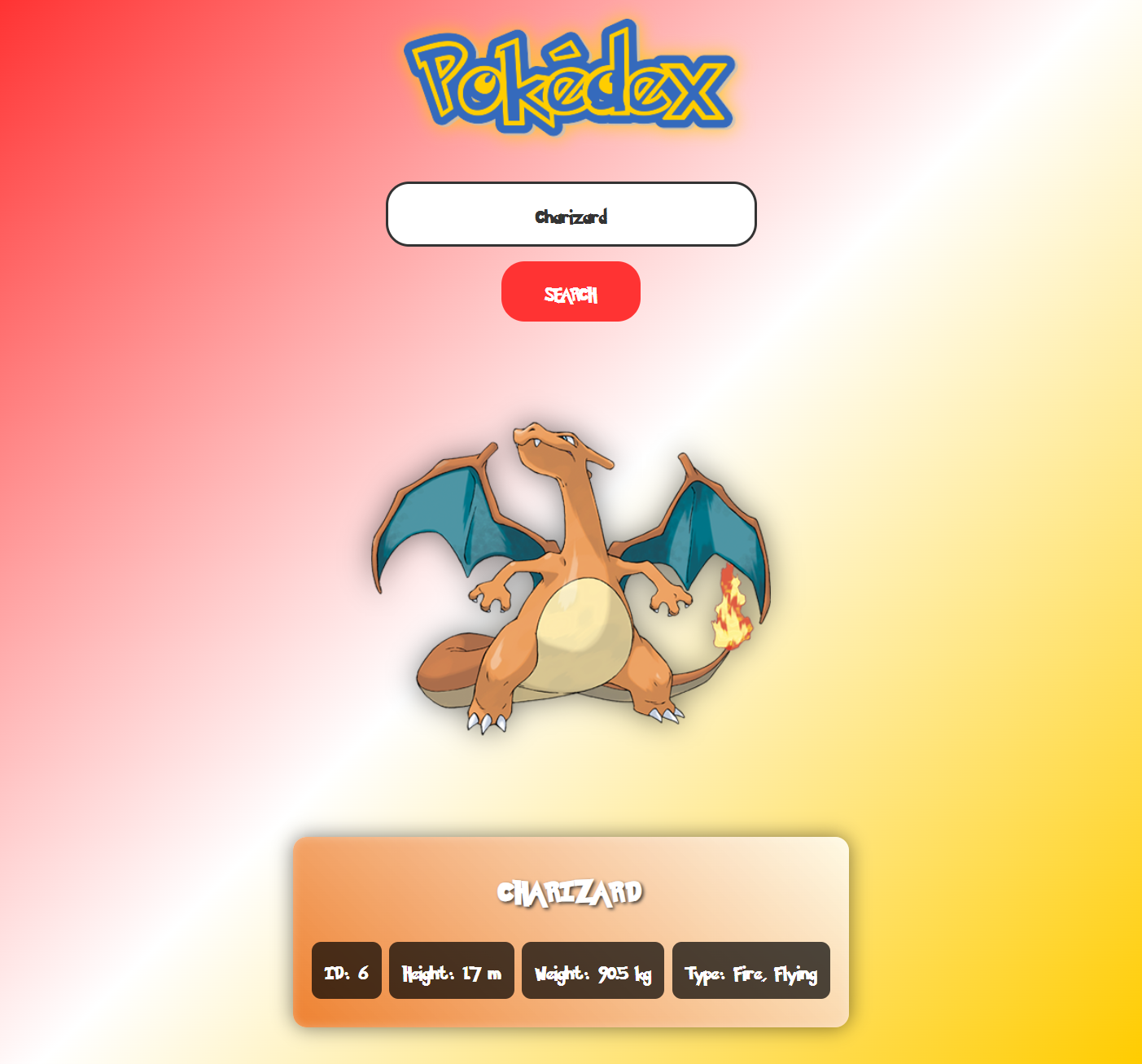
Objective
I engineered a high-performance digital encyclopedia that integrates with the Pokémon API to manage dynamic data. I set out to build an interface that felt snappy and intuitive, whether you're just looking up a favorite Pokémon or digging into the raw data stats.
Synopsis
This application prioritizes efficient data retrieval and responsive design. The coolest part of the build was definitely the audio system. I really wanted the Pokédex to feel alive, so I hacked together a script that reads out the names and stats. It wasn't just about the tech it was about making the app accessible for everyone.
Process
My development focused on advanced asynchronous JavaScript. I ensured a high-quality UX by implementing data-loading methods that eliminate page refreshes. I utilized the Fetch API to handle background data requests seamlessly. For the audio features, I developed a custom script that parses API strings into speech, ensuring the system remains performant during high-frequency searches.
Results
What came out is a quick searchable database that is easy to use but has some smarts behind it. Adding the audio feedback and making it fully responsive gives it a professional feel. You can see the live version and look through my code at the Pokédex repository.
Project Views
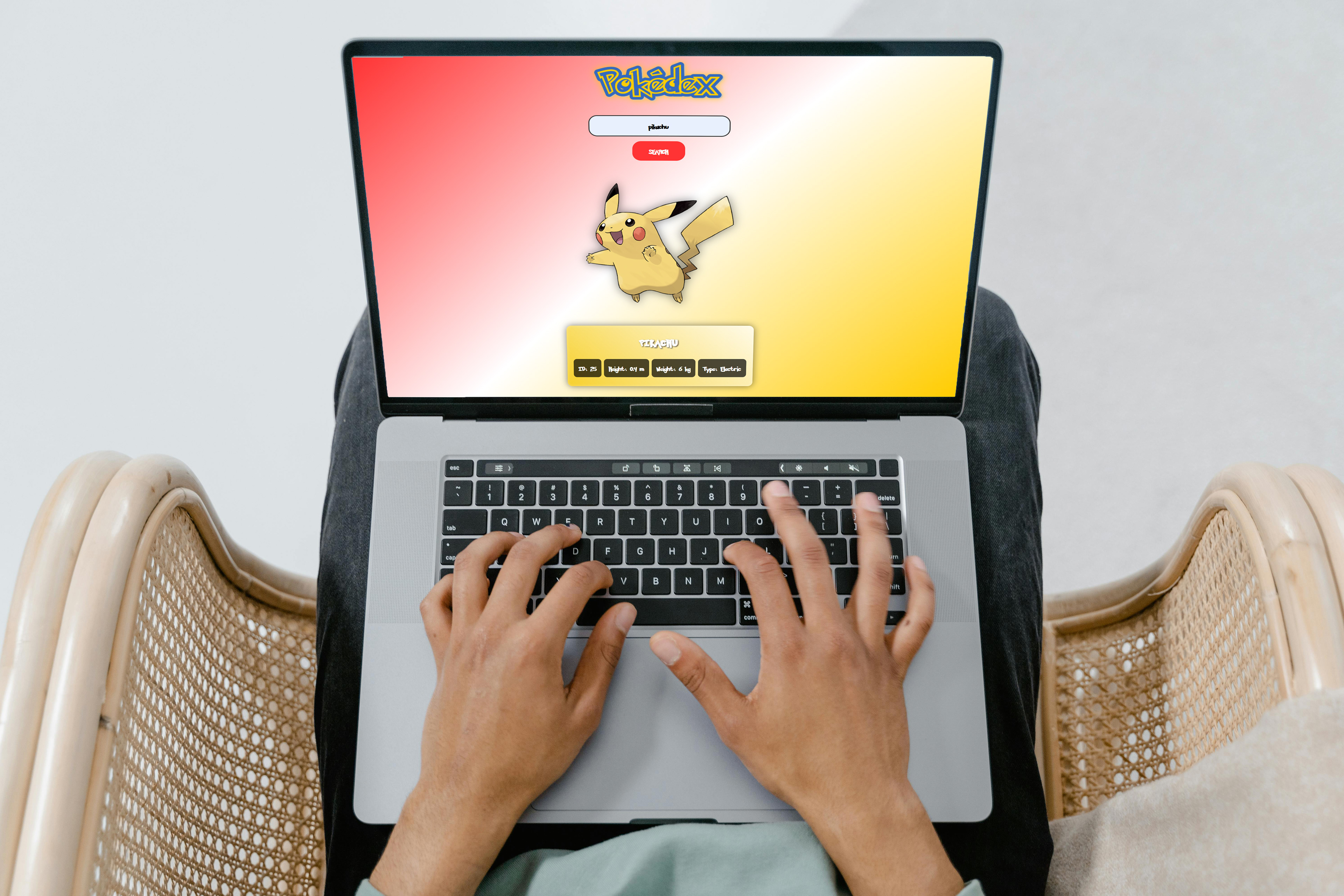
Laptop View
I designed this Pokédex project for fellow fans and card collectors who just want a fast way to look up stats. I really wanted the vibe to be right, so I made sure to use the classic Pokémon font and added some CSS animations to keep the UI from feeling static. It pulls live data from the Pokémon API, and I even wrote in some logic to double-check name spellings before the search goes through. Honestly, the part I'm most happy with is the audio I added. It actually calls out the Pokémons name and attributes like height or weight when they load.
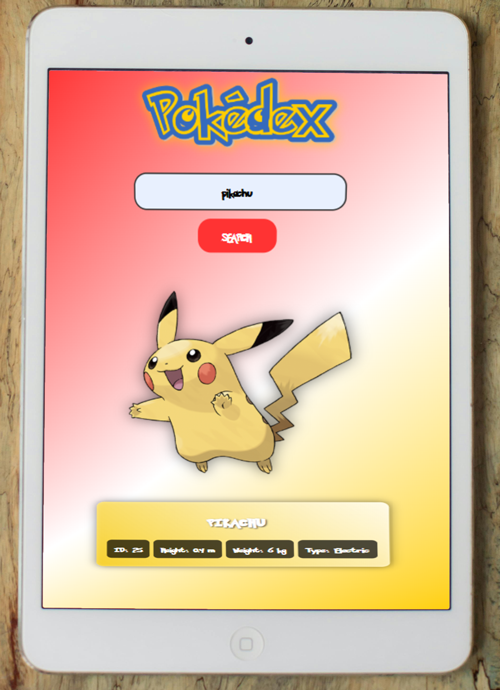
Tablet View
Responsive grid adjustment to maximize screen real estate on mid-sized devices.
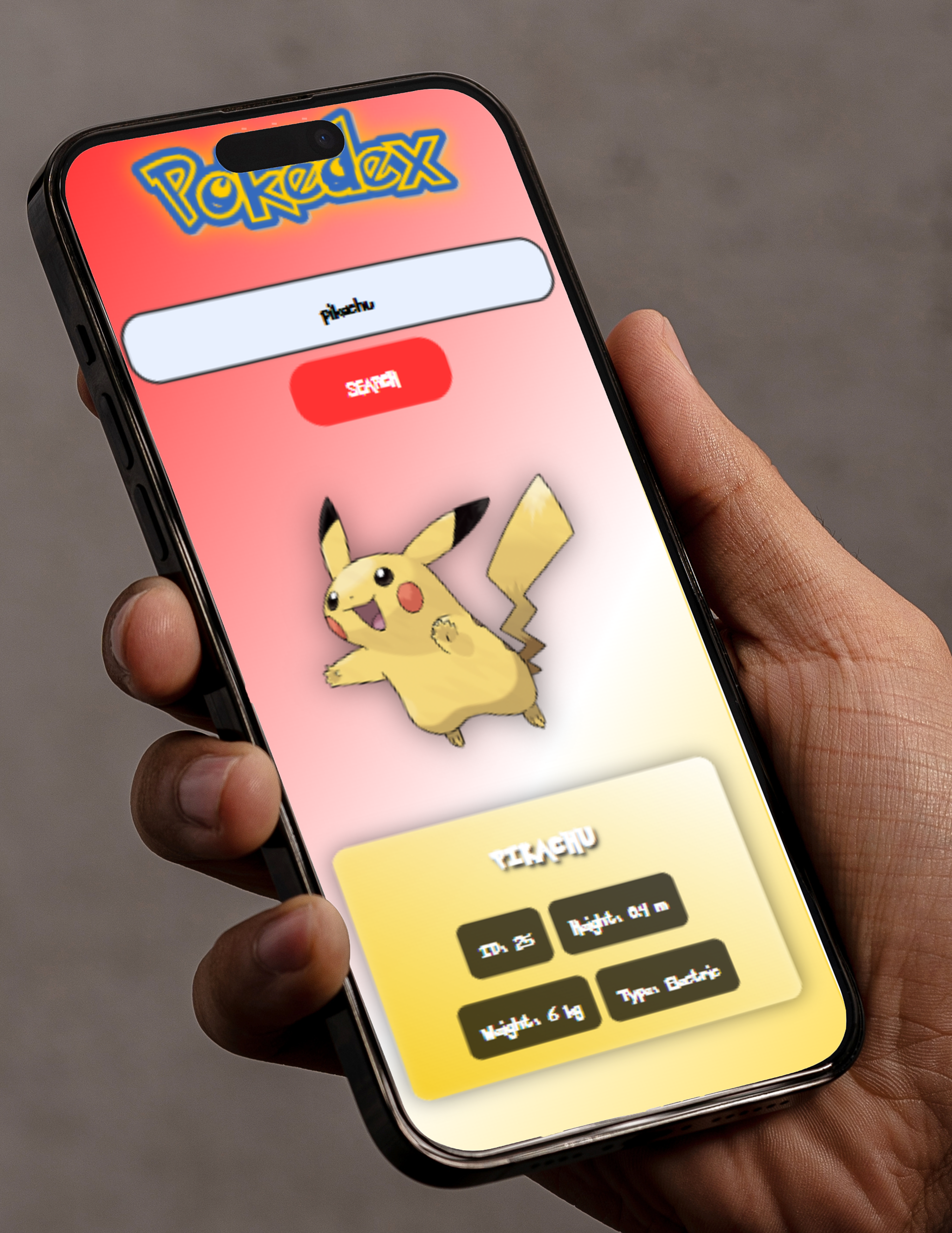
Mobile View
Optimized search interface for handheld devices, utilizing media queries for a single-column card layout.